Religious rulings and scholarly views

Scholars’ Views on Istikhara

Explore Islamic scholars’ views on istikhara, including its methods, consultation, marriage, dreams and acting on its result. Read sourced questions and answers from Shia and Sunni scholars.

Questions and answers with sources

Scholarly Rulings on Istikhara

Views from five Shia and Sunni scholars, presented as translated answers or clearly labelled summaries, with links to their original sources.

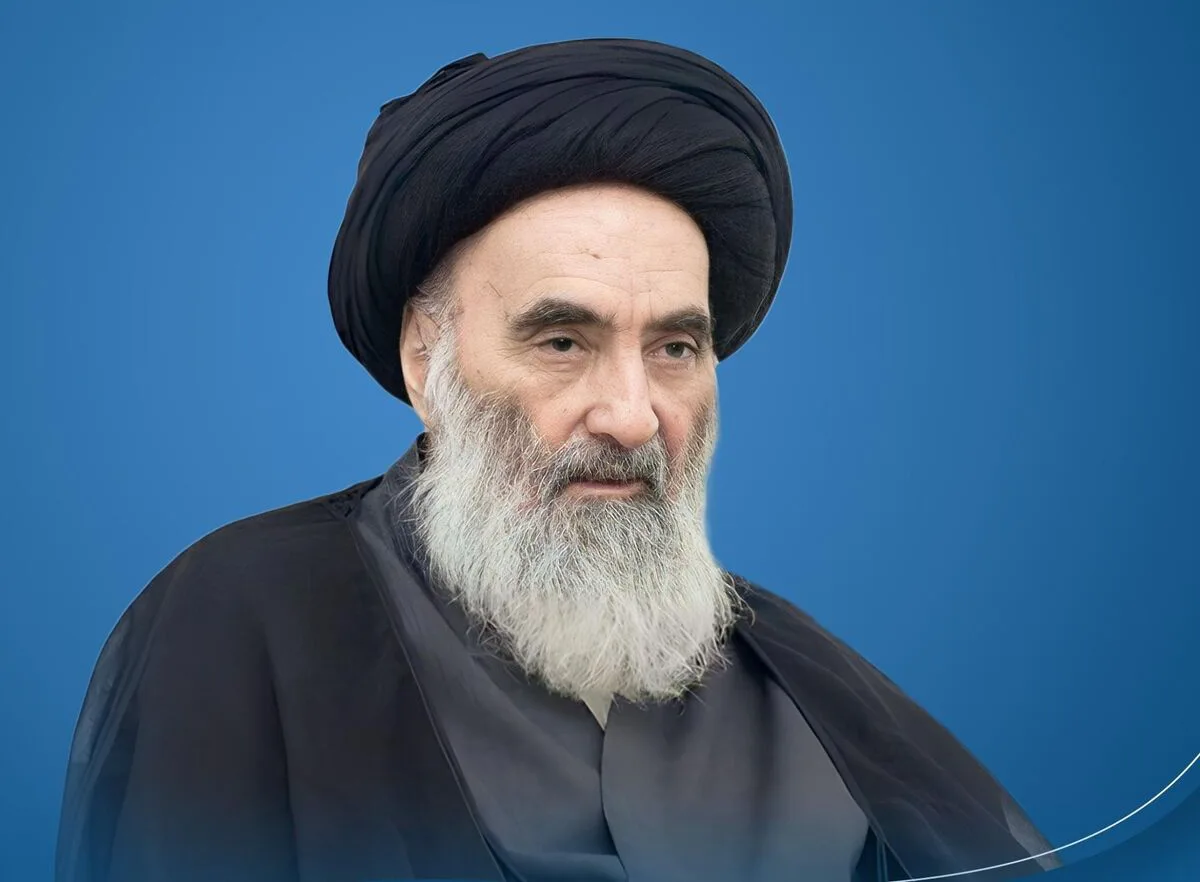
Grand Ayatollah Sayyid Ali Husayni Sistani

Grand Ayatollah Sayyid Ali Husayni Sistani

Questions and answers · Istikhara

8 questions and answers
Rulings and practice of istikhara

Translation note: These questions and answers are translated from the Arabic source. They are not quotations from an official English edition. Please refer to the original text using the source link.

Q1The basis for the legitimacy of istikhara

Question: What is your view on the principle of istikhara?

Answer: The case in which the religious legitimacy of istikhara is certain is when uncertainty remains after consultation.

Q2Istikhara with the Holy Quran

Question: What is your view on istikhara with the Holy Quran?

Answer: It is permissible to rely on istikhara, but only after one has been unable to resolve uncertainty through reflection, consulting knowledgeable people, and seeking advice from family and friends. If uncertainty remains and one cannot give preference to one of two or more options, istikhara gives preference to one of them. It has no other function, such as revealing the unseen.

Q3The best times to perform istikhara

Question: What are the best times to perform istikhara?

Answer: After performing an obligatory or recommended prayer; the best time is before sunrise on Friday.

Q4How to perform istikhara with prayer beads

Question: How is istikhara performed with prayer beads?

Answer: It has been stated that it is sufficient to recite salawat (O Allah, bless Muhammad and the family of Muhammad) three times, then take hold of the prayer beads and count them in pairs. If two beads remain, the result is not good; if one bead remains, it is good.

Q5Relying on istikhara for marriage

Question: Do you recommend relying on istikhara in the matter of marriage?

Answer: There is no objection to it after reflection and consultation, if these have not resolved the uncertainty.

Q6Is istikhara for uncertainty or for all circumstances?

Question: Is istikhara performed when one is uncertain, or is it permissible in all circumstances?

Answer: The case in which its religious legitimacy is certain is when uncertainty arises and consultation is unavailable or does not lead to a conclusion.

Q7A father’s istikhara and delays in his daughters’ marriages

Question: We are young women aged 25, 27 and 29. Whenever someone proposes marriage to us, our father resorts to istikhara. In most cases, the result is bad, and for this reason our marriages have been delayed. Is istikhara valid in this situation?

Answer: The father should not perform istikhara concerning his daughter’s marriage when a suitor who is a suitable match for her under Islamic law and customary standards comes forward, unless the daughter herself agrees. Istikhara is performed only in a matter in which a person has a choice under Islamic law. The father’s guardianship over his daughter lapses under Islamic law if he refuses to consent to her marriage to a suitable match.

Q8May a favourable istikhara be left unfollowed?

Question: If the result of an istikhara is good, is it permissible not to follow it, for example by abandoning the matter?

Answer: Yes, it is permissible.
Source: Official website of Ayatollah Sistani’s office · Istikhara (Arabic)Read the original source →
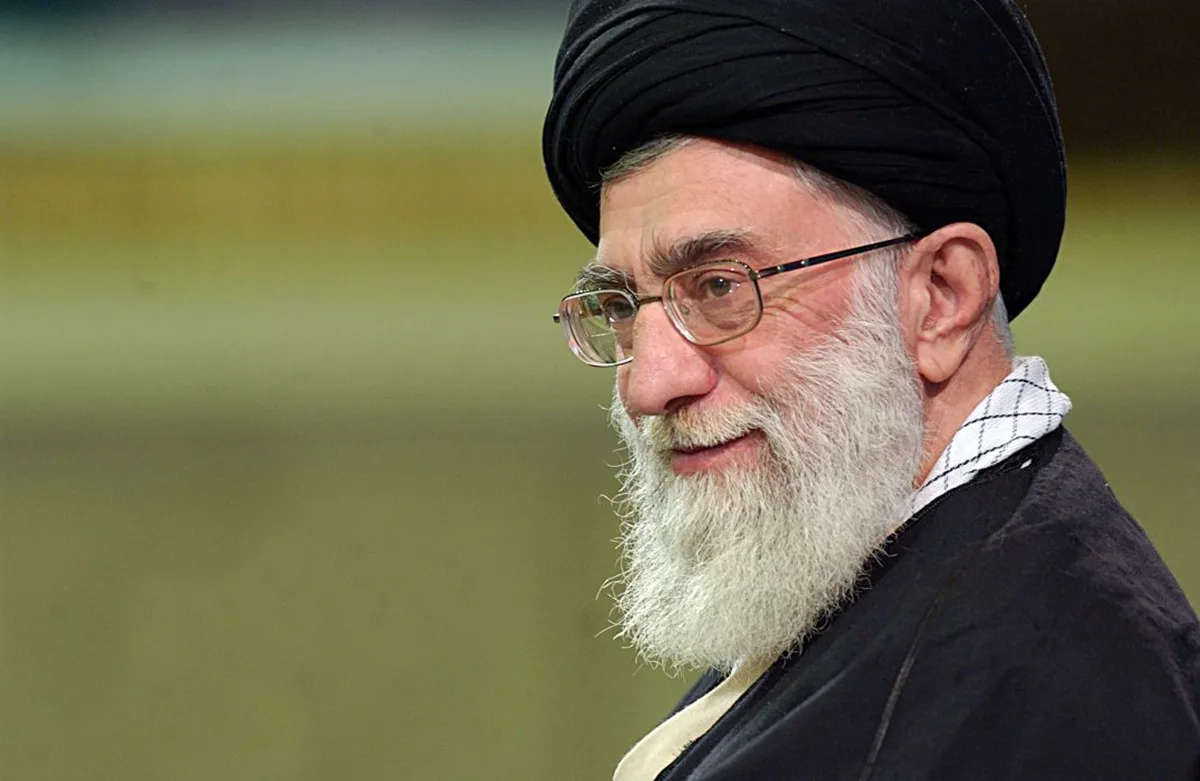
Grand Ayatollah Sayyid Ali Husayni Khamenei

Grand Ayatollah Sayyid Ali Husayni Khamenei

Ajwibat al-Istifta’at · Istikhara

5 questions and answers
Rulings and conditions of istikhara

Translation note: These questions and answers are translated from the Persian source. They are not quotations from an official English edition. Please refer to the original text using the source link.

Q1434Is it obligatory to follow an istikhara?

Question: Is it obligatory to act on the result of an istikhara?

Answer: There is no religious obligation to act on the result of an istikhara, but it is better not to act contrary to it.

Q1435Good deeds and knowledge of the future

Question: It is said that there is no need for istikhara in good deeds. Is istikhara permissible regarding how to carry them out, or regarding unforeseen difficulties that may arise while carrying them out? Is istikhara a way to gain knowledge of the unseen, or is such knowledge held by God alone?

Answer: Istikhara is intended to resolve uncertainty and hesitation concerning permissible actions, whether the uncertainty concerns the action itself or how to carry it out. Therefore, there is no need for istikhara in good deeds about which there is no uncertainty. Nor is istikhara intended to reveal the future of a person or an action.

Q1436Istikhara for divorce and acting against its result

Question: Is istikhara with the Quran valid in matters such as whether or not to request a divorce? If a person performs istikhara but does not act on its result, what is the ruling?

Answer: The permissibility of istikhara with the Quran or prayer beads is not restricted to any particular situation. It may be performed in any permissible matter about which a person is uncertain and hesitant to the point of being unable to make a decision. It is not religiously obligatory to act on its result, although it is better not to act contrary to it.

Q1437Istikhara in major decisions such as marriage

Question: Is istikhara with prayer beads or the Quran permissible in life-changing matters such as marriage?

Answer: When making a decision, a person should first reflect carefully or consult experienced and trustworthy people. If these steps do not resolve the uncertainty, the person may perform istikhara.

Q1438Can istikhara be repeated for the same matter?

Question: Is it valid to perform istikhara several times for the same matter?

Answer: Since istikhara is intended to resolve uncertainty, repeating it after the first istikhara has resolved that uncertainty has no meaning, unless the subject matter changes.

Source: Official website · Ajwibat al-Istifta’at, questions 1434–1438 (Persian)Read the original source →
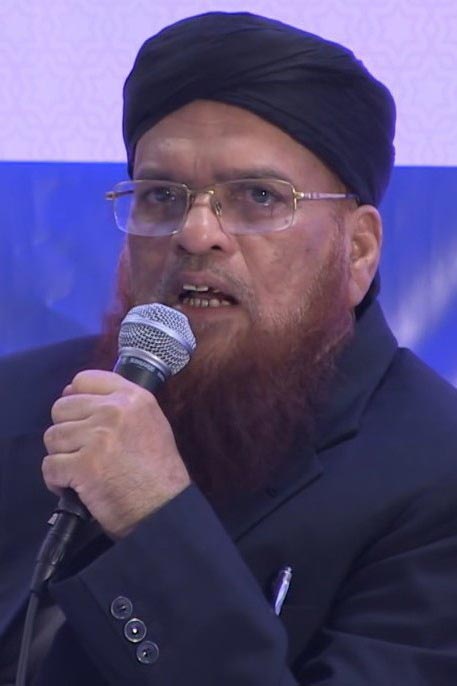
Mufti Muhammad Taqi Usmani

Mufti Muhammad Taqi Usmani

Istikhara, dreams and decision-making

1 question and answer
Istikhara, dreams and decision-making

Editorial summary of the original English question and answer published by Albalagh under Mufti Taqi Usmani’s name. Read the source for the full response and its specific circumstances.

Q1Why can a marriage fail despite istikhara?

Question summary: A reader asks why two marriages ended despite consultation, istikhara, reassuring dreams and a feeling of confidence.

Answer summary: Usmani describes the Sunnah method as two rak‘ahs followed by the istikhara supplication. He explains that istikhara is a prayer asking Allah to guide a decision: a dream is neither required nor binding evidence. Research and practical efforts remain necessary; relying on istikhara while neglecting them can lead to mistakes. Like other supplications, its acceptance is subject to conditions. In the reader’s case, he says the reason for the breakdowns is uncertain, and a marriage ending does not establish that the initial decision to marry was wrong. He also distinguishes benefit in this life from benefit in the hereafter.

Source: Albalagh · Answer by Mufti Taqi Usmani · 11 October 2001Read the original source →

Photo: Owais Al Qarni / Wikimedia Commons · CC BY-SA 4.0 · Displayed in a circular crop.

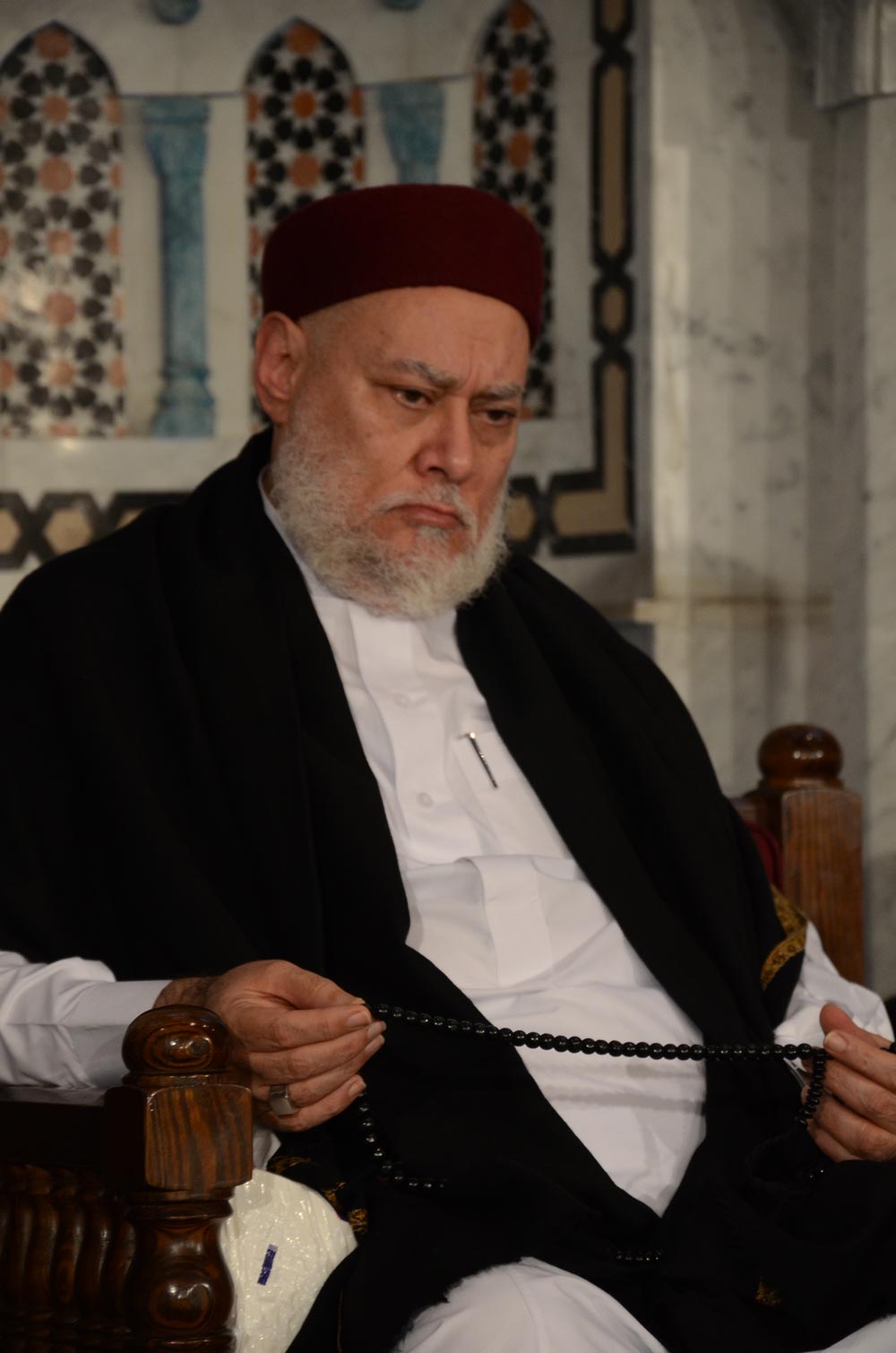
Dr. Ali Gomaa

Dr. Ali Gomaa

Recognising the result of istikhara

1 question and answer
Recognising the result of istikhara

English editorial summary of the Arabic question and answer attributed to Dr. Ali Gomaa by Egypt’s Dar Al-Ifta. This is not an official English translation.

Q1What if no sign appears after repeating istikhara?

Question summary: The question concerns someone who has repeated the istikhara prayer but has not seen any clear indication of its result.

Answer summary: Gomaa explains istikhara as asking Allah to facilitate what is good and keep harmful outcomes away. A dream giving instructions is not required. He identifies ease in proceeding as a sign: if the undertaking becomes accessible and its opportunities open, this points to good, Allah willing; if it proves difficult, he advises turning away from it.

Source: Egypt’s Dar Al-Ifta · Fatwa 349, attributed to Dr. Ali Gomaa · 19 June 2005Read the original source →

Photo: Abdullahmkh / Wikimedia Commons · CC BY-SA 4.0 · Displayed in a circular crop.

Shaykh Abdul Aziz ibn Baz

Shaykh Abdul Aziz ibn Baz

The prayer and timing of its supplication

1 question and answer
The prayer and timing of its supplication

English editorial summary of the Arabic question and answer on the official Ibn Baz website. The source includes the complete supplication; this is not an official English translation.

Q1How is istikhara prayed, and when is the dua recited?

Question summary: The question asks how to perform the istikhara prayer and whether its supplication comes before or after the closing salam.

Answer summary: Ibn Baz regards the istikhara prayer as a Sunnah practice. He describes two voluntary rak‘ahs, each with Al-Fatihah and any further Quran recitation that is easy. After the closing salam, the worshipper raises their hands and recites the reported istikhara supplication, specifying the matter, such as marriage or travel. The supplication asks Allah to make the matter possible and bless it if it is good for one’s religion, livelihood and eventual outcome; otherwise, to turn it away and grant goodness elsewhere and contentment with it. He cites the narration in Sahih al-Bukhari.

Source: Official Ibn Baz website · Majmu‘ Fatawa wa Maqalat, volume 11, page 421Read the original source →

Photo: Abdalluh23 / Wikimedia Commons · CC0 · Displayed in a circular crop.

Considering istikhara after reading the rulings?

Begin with careful reflection and consultation before turning to istikhara.

Quran Istikhara →